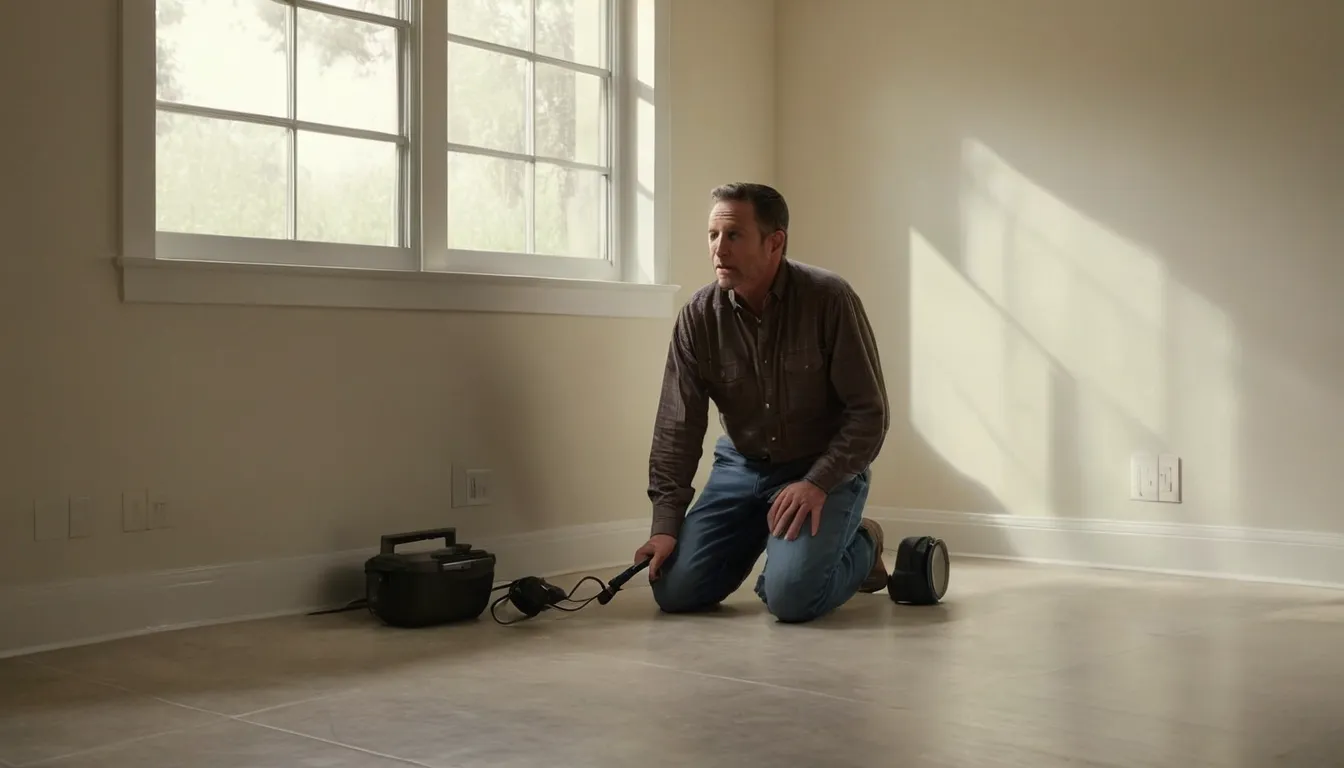
Found a Pest? Here Is Your First Hour
You just spotted something moving along the baseboard, or you heard scratching above the ceiling. Take a breath. Most pest problems feel bigger in the first few minutes than they really are.
Here is a calm first hour. Step back from the spot. Move kids and pets to another room. Skip the pile of store-bought sprays, since they can push ants, roaches, and rodents deeper into the walls. Snap a clear photo if you can, and jot down where and when you saw it.
Next, decide how far a DIY fix can go. Wiping up crumbs, sealing food in tight containers, and fixing a dripping pipe are smart moves. Mud tubes on a foundation, droppings in the attic, or a nest you can't reach are signs to stop and bring in a pro.
Eltapatiomexicanfood Pest Control is a referral service. We don't do the treatment ourselves. We connect homeowners in San Jose and the San Jose area with independent providers in our network who handle pests and wildlife.
Request an Estimate
Prefer to talk it through first? Request a callback to check provider availability.
How It Works
What this service actually is
Eltapatiomexicanfood Pest Control is a referral service. You tell us what you're dealing with, and we pass your request to an independent provider in our network who works in San Jose and the San Jose area. The provider inspects, explains your options, and does the work. We don't.
How a request moves along
- Describe the problem and where you saw it.
- Add a photo if you have one.
- Request an estimate through the form, or Request a callback to check provider availability.
- A provider reviews the details and gets in touch to talk next steps.
There is no obligation to book anything. Many providers can respond quickly, but timing varies, so ask when you connect.
Early signs worth acting on
Small clues show up long before a big repair bill. Keep an eye out for:
- Tiny piles of sawdust-like grit or pinhole marks in wood
- Mud tubes along a slab or foundation wall
- Gnaw marks, droppings, or greasy rub marks along walls
- Scratching in the walls or attic around dusk
- Ant trails that come back after you wipe them away
- Small rusty spots on mattress seams
Know where to stop
You can seal gaps with steel wool, store food in hard containers, trim branches off the roof, and fix leaks. Stop when you find active termites, a nest inside a wall, a heavy rodent trail, or any animal you can't safely reach. Some wildlife is protected by local rules, so let a provider handle it.
Pests That Fit Our Local Climate
Long dry seasons change how pests behave. When the ground bakes, ants and roaches head for your kitchen and bathrooms, where there is water. Spiders and crickets follow the insects indoors. Then winter rain events arrive, and mice, rats, and other critters look for a dry spot in your attic, garage, or wall voids.
Wildfire smoke seasons can shake things up too. Displaced animals sometimes wander toward homes, and many people keep windows shut and miss the early signs of a new visitor. Mild temperatures near the coast mean pests stay active most of the year, so there is rarely a true off-season.
Housing matters as well. Many stucco ranch homes sit on slabs or raised foundations, and those details create their own weak spots. Slabs can hide termite entry points at cracks and plumbing gaps. Raised foundations have vents and crawl spaces that rodents love. Older bungalows often have worn trim and small gaps around pipes. Tract homes built from the 1950s to the 1980s tend to share the same weak spots, so a problem at one house can show up next door.
Walk your outside walls with a flashlight this weekend. Look for gaps wider than a pencil, cracked vents, and soil piled against the stucco.
Request an Estimate
If you find something that worries you, request an estimate and describe it. A provider in our network can explain what it means for your type of home.
Simple Habits That Keep Pests Out
Start with food and water
Pests want two things: a meal and a drink. Store pantry food in hard containers, wipe counters at night, and empty pet bowls when the day ends. Fix drips under sinks and check hose bibs.
Seal the gaps
Mice squeeze through openings the size of a dime. Stuff small gaps with steel wool and seal around pipes with caulk. Replace worn door sweeps.
Keep the yard in check
Trim shrubs back from the walls and keep firewood off the ground and away from the house. Pull mulch a few inches from the foundation. Dry wood touching soil invites termites.
Check the usual hiding spots
Once a month, peek in the garage, attic, crawl space, and under sinks. Look for droppings, webs, shed wings, or damp spots. A quick flashlight look catches trouble early.
Bed bugs need a careful plan
Bed bug treatment is not a DIY job for most people. Sprays often scatter them. Strip the bed, bag the linens, wash them hot, and then ask a provider about a proper plan.
Wildlife needs care
Don't corner or poke at an animal in the attic or walls. Leave baby animals alone, since removing a mother can leave young behind. A wildlife removal provider can handle it the right way.
What cost talk looks like
Typical U.S. ranges vary a lot by job. A one-time pest visit might run from about $100 to $300. Termite and wildlife work can cost more, sometimes into the thousands. Always ask for a written quote.
Keep notes for your provider
Photos, dates, and locations help a provider give a clearer estimate. Save any droppings or damage pictures. If a claim might be involved, some policies may cover sudden damage, so check your policy. Providers can often help document damage for a claim.
Ready When You Are
Describe what you found, where you saw it, and how long it has been going on. A photo helps a lot. Your request goes to an independent provider who can explain the next step.
Request an Estimate
You can also email contact@eltapatiomexicanfood.homes with questions, or Request a callback to check provider availability. Looking for an exterminator near me? Start with the request form and we'll route it to a local provider.